Germany 20MW 2024: Utility-Scale Solar Construction Status, Technical Overview & EPC Insights
The Germany 20MW 2024 project represents a significant addition to Germany’s utility-scale solar infrastructure. Designed within the country’s rigorous renewable energy framework, this photovoltaic (PV) installation exemplifies best practices in engineering, procurement, and construction for complex, high-capacity solar deployments. The project’s relevance extends to utility operators, municipal authorities, and investors seeking proven models to deliver scalable, sustainable energy in alignment with Germany’s long-term energy transition goals.
| Project Name | Germany 20MW 2024 |
|---|---|
| Location | Germany (specific site undisclosed) |
| Project Type | Utility-scale, Free-field Photovoltaic (PV) Plant |
| Capacity | 20 Megawatt (MW) |
| Solar Construction Scope | Full turnkey installation including engineering, procurement, construction, and grid integration |
| Foundation Type | Driven pile foundations |
| Grid Connection | Mid-voltage connection to regional utility grid |
| Execution Model | Full-scope contract, single point of responsibility |
Project Overview
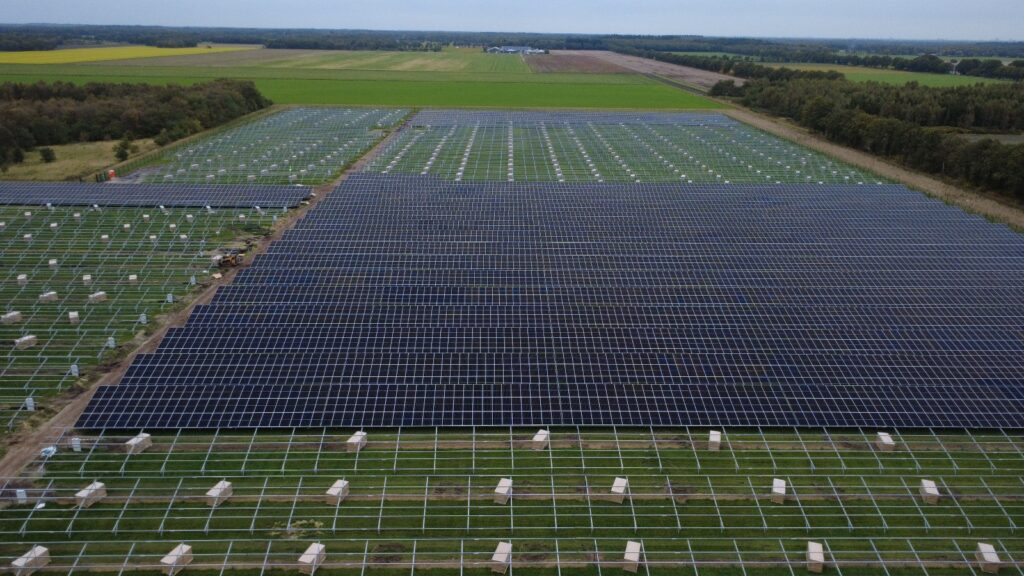
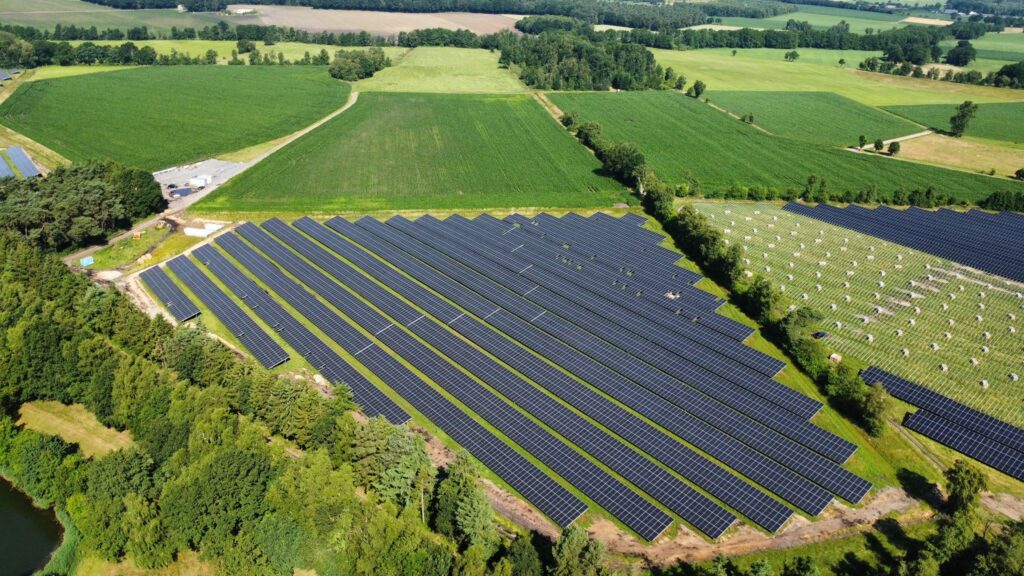
Germany 20MW 2024 is situated on a free-field site, typifying the geography used for utility-scale PV plants in Germany. Large-area deployment maximizes generation potential and aligns with regional planning strategies for renewable energy corridors. The plant configuration and technology selection support both local grid stability and the national Energiewende objectives, reinforcing Germany’s leadership in solar integration. The project’s role is essential—not only in increasing clean electricity production but also in serving as a technical reference for utility operators and large-scale investors.
Technical Implementation
Site preparation involved advanced geotechnical analysis and environmental planning, complying with German building and environmental codes. Pile-driven foundation systems were selected for their robustness, ease of installation, and low environmental footprint—an approach aligned with “Solar Construction Made in Germany” standards. Module racks are optimized for wind and snow loads typical to the region, minimizing maintenance needs. Precision string inverter placement and optimized AC/DC cabling routes were deployed, supporting high system efficiency and operational reliability. Detailed commissioning protocols were applied to verify electrical performance and grid compliance.
Solar Construction Execution
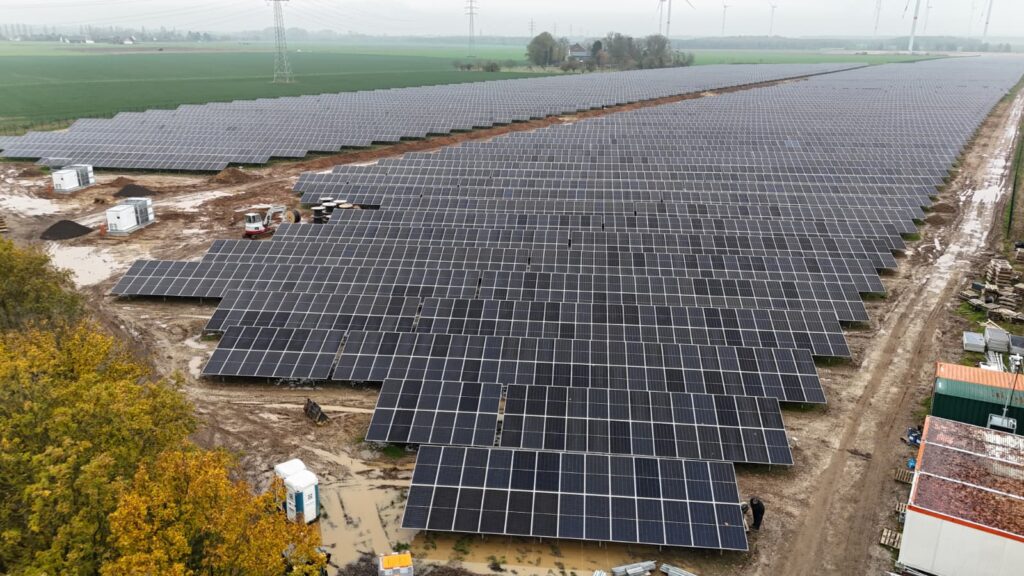
The full Solar Construction contract was managed as a single, integrated scope—minimizing coordination risk and ensuring schedule certainty. Engineering teams performed detailed site assessments and value engineering, selecting proven Tier-1 suppliers and components for reliability. Procurement leveraged established supply chains to ensure timely delivery of modules, inverters, and balance-of-system materials despite ongoing European supply chain constraints. Construction execution followed a sequenced workflow, including precision foundation driving, racking assembly, module placement, and grid-interface installation. The project team coordinated closely with distribution network operators to facilitate a seamless mid-voltage grid integration, adhering to Germany’s grid code and safety regulations. For a more complete reference on EPC workflows, see the utility-scale solar EPC guide.
Project Impact
On completion, Germany 20MW 2024 contributes approximately 20MW of renewable generation capacity—eliminating a significant quantity of CO2 emissions in the regional grid mix. The project sets a benchmark for systematic solar deployment, combining rapid construction schedules with rigorous technical standards. By expanding the base of reliable, clean generation assets, it enhances grid resiliency and supports Germany’s renewable energy targets while serving as an investment-grade asset for financiers and energy off-takers.
Industry Insight
Energy developers and project stakeholders can draw important lessons from Germany 20MW 2024. Single-point Solar Construction models streamline execution and limit interface risks common in fragmented construction contracts. Emphasizing site-specific geotechnical design and certified engineering standards is critical for long-term technical and operational reliability. For international investors, adherence to German grid codes and quality expectations enhances bankability and asset longevity. As utility-scale solar deployment accelerates across Europe, projects like this emphasize the value of turnkey expertise, transparent execution, and reliable grid connection. For those looking to partner on large-scale projects or seeking more information about high-capacity solar services, visit KXS Energy.
What is the total capacity of Germany 20MW 2024?
What foundation technique was used for the solar modules?
How was grid connection achieved for Germany 20MW 2024?
Who managed the Solar Construction scope for this project?
Conclusion
Germany 20MW 2024 stands as a practical reference for successful utility-scale solar installations in Europe. By applying certified German engineering standards and a turnkey Solar Construction delivery model, it addresses the core technical, operational, and regulatory challenges of solar project execution. Projects of this kind are key to scaling sustainable energy capacity while enabling project owners, utilities, and investors to build resilient, cost-optimized renewable infrastructure in line with national and EU climate targets.