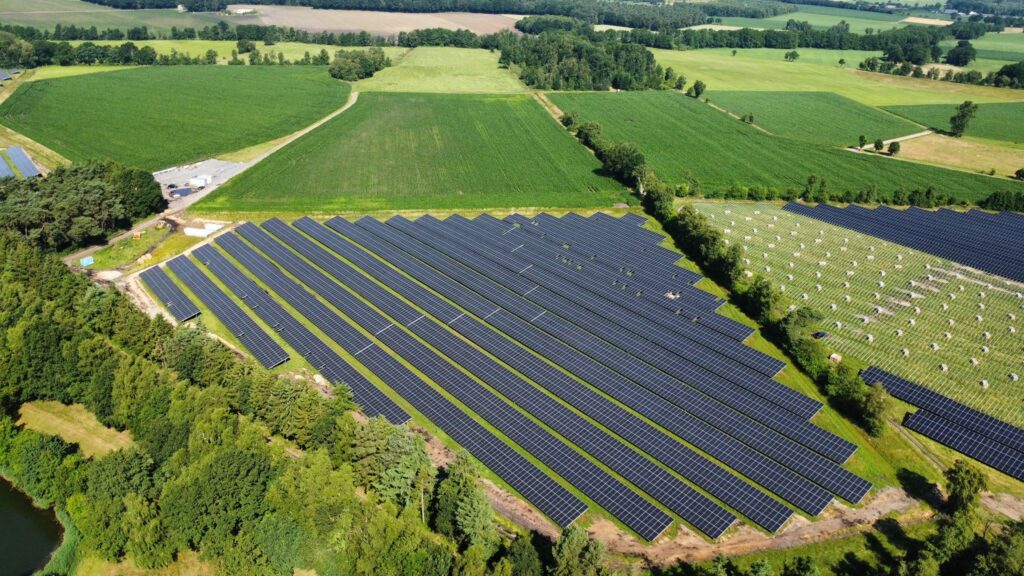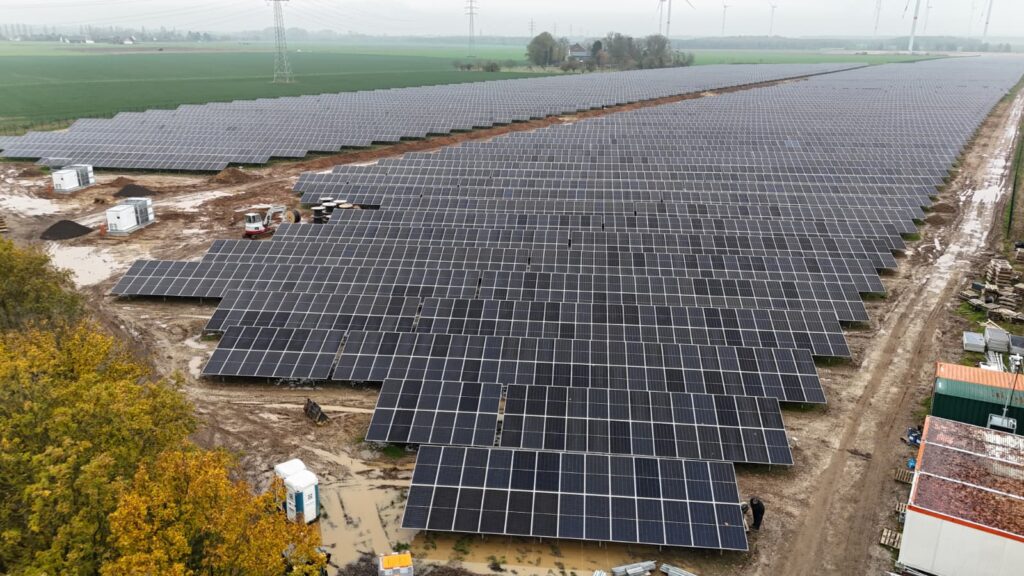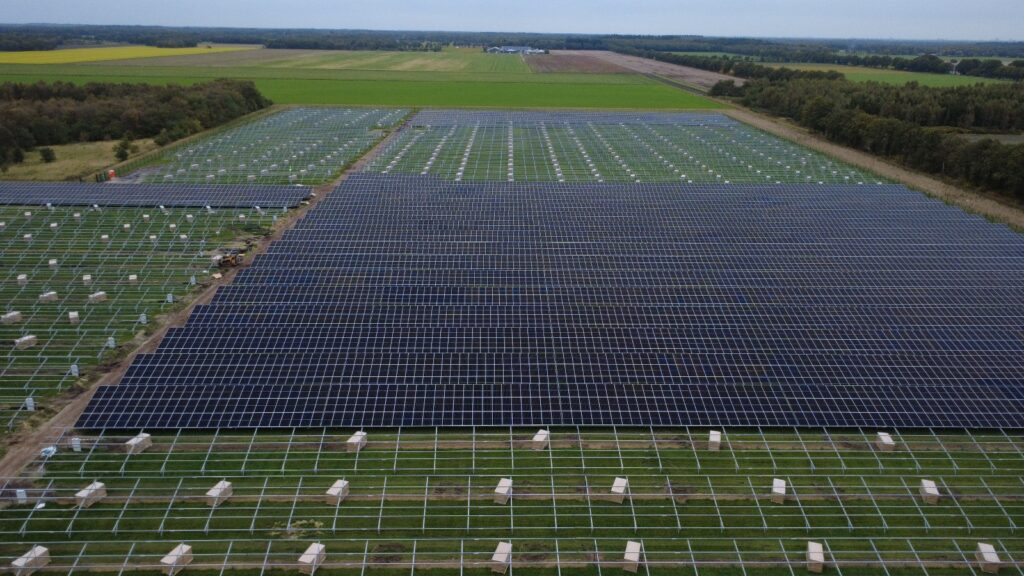
An in-depth look at how KXS Energy implemented 51 MW of solar capacity in Groningen to support the Dutch energy transition.
The Netherlands is rapidly becoming a leader in European solar density. At the heart of this movement is the deployment of utility-scale PV assets that provide the stability and volume required for a modern grid. KXS Energy, with over 6 GW of global experience, is at the forefront of building this sustainable infrastructure.
Bridging the Gap Between Design and Reality
Building a solar park in the Netherlands requires more than just installing panels; it requires a deep understanding of grid-scale integration and German Meisterbetrieb quality standards. Our approach focuses on “A to Z” project management, ensuring that the initial site feasibility translates into long-term operational success.
Key Pillars of Dutch Solar Success
To maximize the ROI of solar investments in the region, KXS Energy focuses on three technical pillars:
- High-Density Engineering: Maximizing the megawatt capacity per hectare through optimized row spacing and bifacial module technology.
- Advanced Storage Integration: Implementing Battery Energy Storage Systems (BESS) to manage peak production and stabilize the local power frequency.
- Certified Quality Control: Ensuring every electrical connection and structural mount adheres to international IEC and German DIN codes.
Powering Thousands of Households
Utility-scale projects, such as our recent 51 MW installation, demonstrate the massive scale of impact possible today. By generating nearly 50,000 MWh annually, a single site can power an entire municipality, significantly reducing the national reliance on fossil fuels.
KXS Energy continues to support Dutch energy developers by providing the technical mastery and construction speed necessary to meet 2030 climate targets.
Can large-scale solar farms be efficient in Northern Europe?
The Groningen project answers this with a resounding yes. By utilizing Bifacial PV modules, KXS Energy captured reflected light from the Dutch landscape, significantly increasing yield even on overcast days. As a certified German Meisterbetrieb, our team focused on a rapid-deployment strategy to install the 51 MW capacity within a single season, ensuring the infrastructure was grid-ready ahead of schedule.
How many homes can a 51 MW solar plant power?
The installation in Groningen generates approximately 48,450 MWh per year. This output is sufficient to provide 100% renewable electricity to over 13,800 Dutch households, making it a cornerstone of regional grid stability.
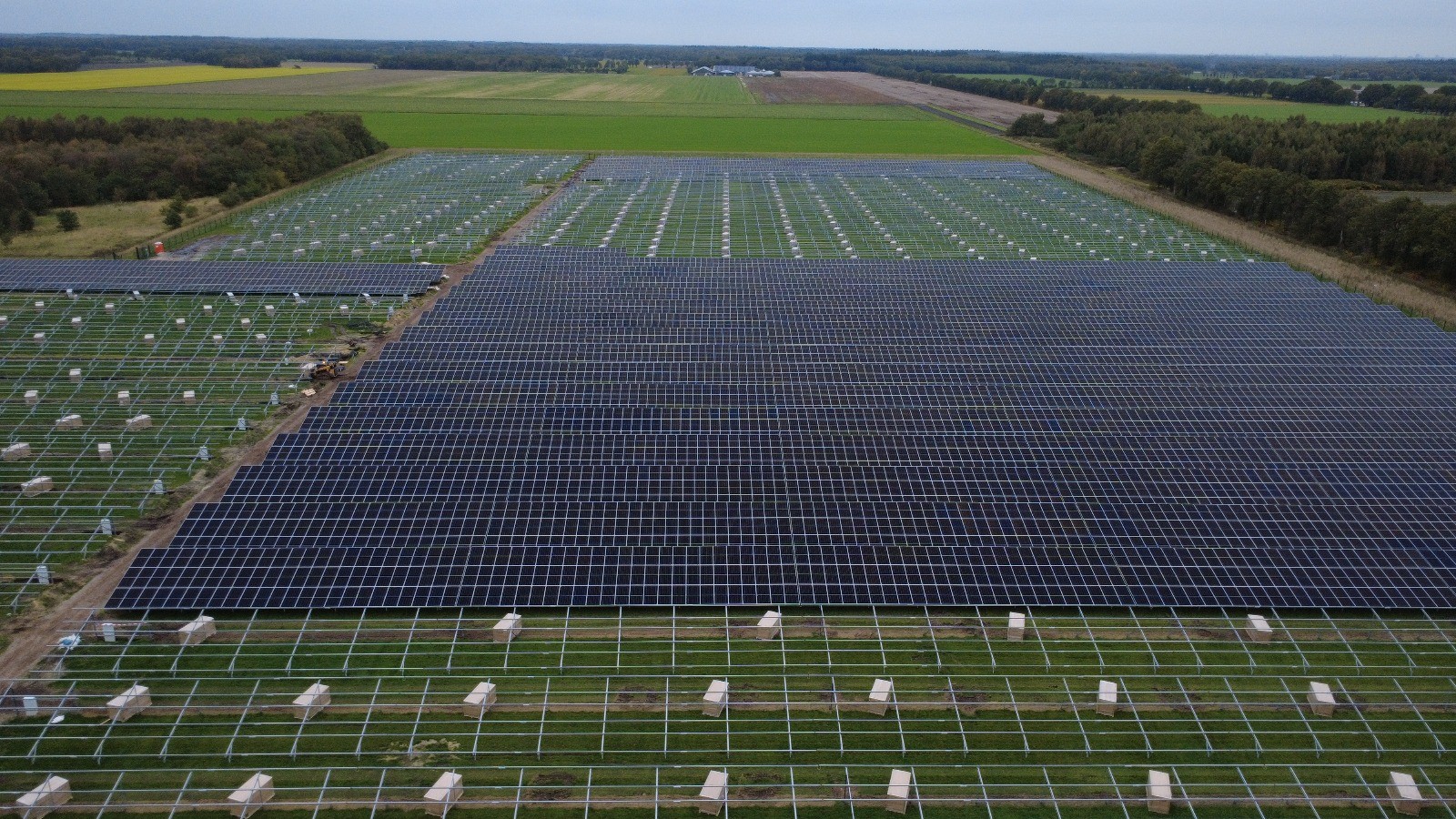
KXS Energy demonstrates that utility-scale solar is a viable, high-yield solution for Northern European climates through advanced engineering and precision EPC services.
Technical Engineering in Challenging Terrains
The Groningen project presented unique geological challenges that required specialized foundation solutions. Our engineering department conducted extensive soil analysis and pull-out tests to ensure the structural integrity of the mounting systems against regional wind loads. By utilizing advanced ramming techniques, we secured a 25+ year design life for the entire 51 MWp array.
Performance Data and Grid Impact
This project is not just a feat of construction; it is a vital component of the Dutch energy grid. The facility is designed to optimize the Levelized Cost of Energy (LCOE) through high-efficiency component selection and strategic site layout.
- Total Capacity: 51 MWp of utility-scale photovoltaic power.
- Annual Energy Output: Approximately 48,450 MWh of clean electricity.
- Household Equivalence: Providing sustainable power for over 13,800 homes.
- Carbon Offset: Reducing CO2 emissions by approximately 21,800 tons every year.
Seamless EPC Execution
From procurement to final commissioning, KXS Energy managed the full EPC (Engineering, Procurement, and Construction) lifecycle. Our logistics network enabled the rapid mobilization of Tier-1 modules and specialized field teams, ensuring the project remained on schedule and met all Dutch grid compliance standards.
Reach out to us: