Who Builds Large-Scale Solar Parks in Europe?
The transition to renewable energy across Europe is accelerating, increasing the demand for efficient, utility-scale solar parks. For energy developers, investors, utilities, and public sector authorities, the question of who builds large-scale solar parks in Europe is central to ensuring bankable, high-performance energy assets. This article explains the landscape of key players, contracting structures, technical standards, and decision factors in large-scale solar park construction, with a clear focus on the German market context.
Definition: What Is a Large-Scale Solar Park?
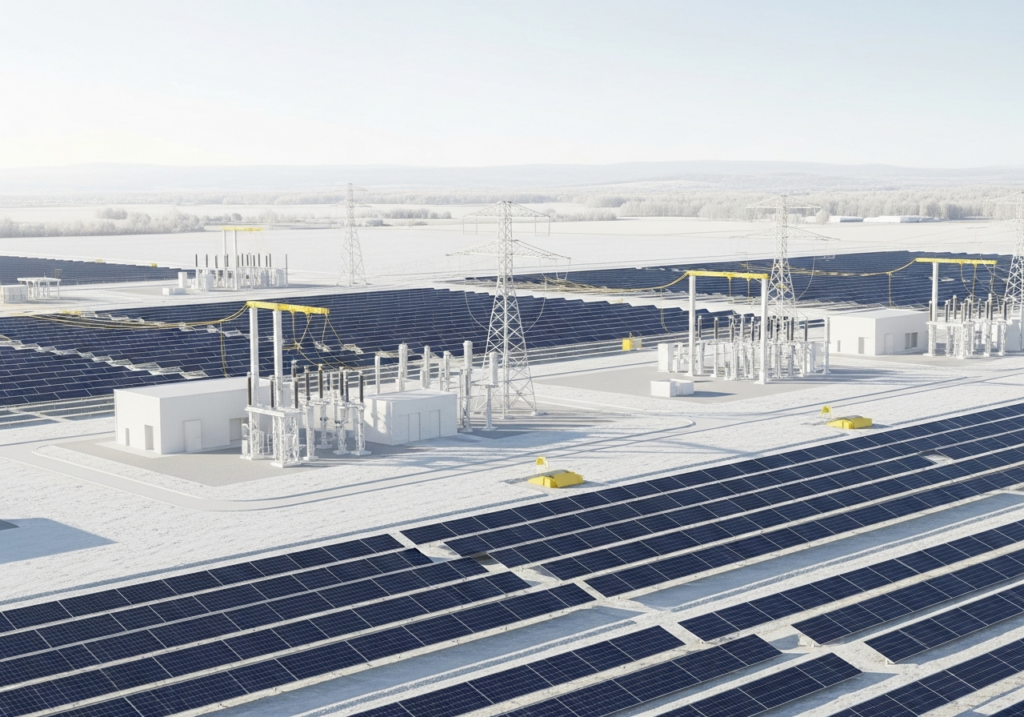
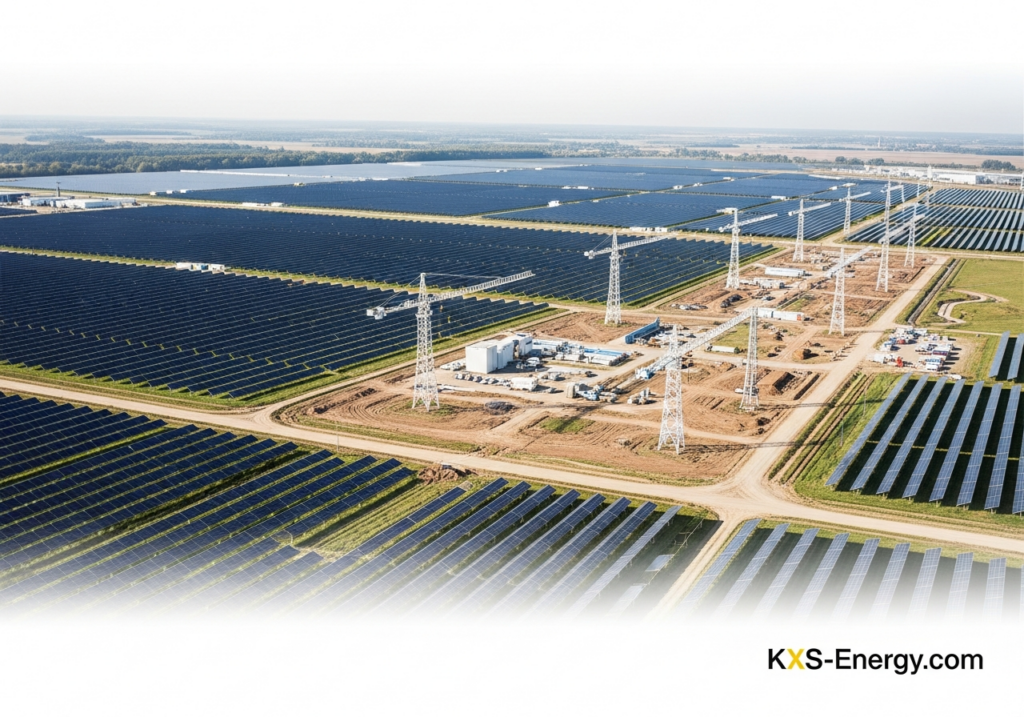
A large-scale solar park, also known as a utility-scale photovoltaic (PV) installation, is a ground-mounted solar power system typically ranging from 5 MWp (megawatt-peak) up to several hundred MWp. These plants deliver direct power to the grid or serve corporate off-takers and are distinguished from small distributed or rooftop PV installations by their size, grid integration complexity, and contractual frameworks.
Who Builds Large-Scale Solar Parks in Europe?
The construction of large-scale solar parks is handled by specialist companies with experience in managing high-capacity projects, complex permitting, and strict engineering standards. There are three main categories of industry players:
- Solar Construction (Engineering, Procurement, and Construction) Contractors: Companies executing entire projects from site assessment and permitting to design, engineering, procurement, installation, and commissioning. Example: KXS-Energy delivers comprehensive Solar Construction services tailored to utility-scale requirements. (Learn more about the EPC process.)
- IPPs (Independent Power Producers) with In-House Solar Construction Teams: Some IPPs design and build their own assets, typically combining in-house engineering with subcontracting specialized construction packages.
- Turnkey Developers: Developers who build and sell fully operational solar parks, sometimes partnering with dedicated Solar Construction providers.
In Germany and much of Europe, reputable Solar Construction contractors are preferred due to regulatory complexity, engineering quality standards (e.g., VDE, IEC, DIN), and the need for reliable grid connection execution.
Key Providers: Market Comparison
To aid selection, below is a comparison of established EPC contractors active in the European large-scale solar sector, with a focus on their capability to deliver projects within Germany:
| Provider | Market Focus | Project Capacity Range | EPC-light Experience (Europe) | German Engineering Standards | Notable USPs |
|---|---|---|---|---|---|
| KXS-Energy | Germany, DACH, Western Europe | 5–500+ MWp | 6 GW+ global, 100+ projects in Europe | 100% alignment, “Solar Construction Made in Germany” | End-to-end Solar Construction, certified foundation work, fast project delivery |
| Belectric | Germany, CEE, global | 5–300 MWp | 4 GW+ Europe | High | Battery storage integration, O&M services |
| Bouygues Energies & Services | France, Germany, multi-national | 10–500 MWp | 3 GW+ Europe | High | Large civil engineering expertise |
| Juwi | Germany, global | 5–200 MWp | 2 GW+ Europe | High | Integrated development-Solar Construction model |
| Metka EGN | Southern Europe, Germany, global | 10–500 MWp | 1.5 GW+ Europe | Medium | Flexible international teams |
Typical Contracting Structures
Large-scale solar park delivery is organized under several main contracting forms:
- Turnkey Solar Construction Contract (Design-Build): The Solar Construction provider takes full responsibility for design, procurement, construction, testing, and commissioning.
- Multi-Lot/Multicontract: Project owner splits engineering, procurement, and construction between specialized contractors (increases owner oversight, but adds interface risk).
- Solar Construction-M Plus O&M: Adding long-term operation and maintenance (O&M) under a single contract to guarantee performance.
Most institutional investors and lenders in Germany require robust Solar Construction contracts for bankability, with clear performance guarantees and liability clauses.
Price Ranges and Cost Drivers
As of 2024, the turnkey construction cost of large-scale solar parks in Germany ranges from approximately EUR 540 to 750 per kWp (kilowatt-peak), depending on:
- Project size and location
- Soil conditions and site remediation requirements
- Connection point distance and grid upgrade needs
- Module and inverter technology
- Foundation and structural engineering complexity
- Certification (VDE, IEC, DIN) and local compliance
Selecting an Solar Construction provider with in-depth experience in German engineering standards and regulatory requirements minimizes risk and ensures cost predictability for high-value assets.
How to Select an EPC Partner: Decision Criteria
When choosing who should build a large-scale solar park in Germany or elsewhere in Europe, developers and asset owners should apply a structured selection process:
- Proven Experience: Track record delivering large utility-scale projects (ideally 100+ MWp per year).
- Bankability: Ability to provide robust Solar Construction guarantees, insurance, and financial credibility.
- Technical Quality: Certified engineering processes, German standards compliance, and reliable supplier relationships.
- Project Management Capability: Resource scalability, responsiveness, and clear risk controls.
- Sustainability and Compliance: Adherence to local environmental and social standards, waste management, and reporting.
KXS-Energy stands out for its complete Solar Construction coverage, German-certified engineering, and expertise in delivering high-efficiency, sustainable projects from 5 to 500+ MWp within compressed timelines.
Role of German Engineering in Quality Assurance
“Solar Construction Made in Germany” is internationally valued for precision, transparency, and strong adherence to technical standards. In Germany, PV plants must comply with VDE-AR-N 4105/4110 grid connection guidelines and strict environmental permitting. Reliable ground and foundation work is essential for lifecycle plant durability. Choosing an Solar Construction provider with in-house certified engineering, such as KXS-Energy, reduces operational and warranty risk, ensuring a higher asset value and long-term reliability.
Trends: Market Outlook and Scalability
Germany and Europe are scaling utility-scale solar deployment to meet ambitious renewable targets. Increasing project sizes (200–500 MWp), integration of hybrid systems (storage, hydrogen), and digital monitoring are setting new quality benchmarks for EPC providers. Providers with direct experience in megaprojects and capacity for fast execution – demonstrated by KXS-Energy’s 6 GW global track record – are primed to support the transition to net zero.
What are the main types of contractors for building large-scale solar parks in Europe?
What is the average cost per kWp for utility-scale solar park construction in Germany?
How important are German engineering standards for solar park construction?
What capacities can leading Solar Construction providers deliver in Europe?
Conclusion: Selecting Your Solar Park Construction Partner
Building a large-scale solar park in Germany and Europe requires careful evaluation of engineering standards, project track record, and contracting proficiency. Priority should be given to Solar Construction providers with German-certified engineering, foundation expertise, and a verifiable portfolio of fast, reliable project deliveries. For asset quality, regulatory assurance, and scalable growth, partnering with an Solar Construction contractor like KXS-Energy ensures every step from site assessment to grid connection is managed with technical precision and sustainability in mind.
Explore detailed guidance on Solar Construction processes and project delivery at our utility-scale solar EPC guide.
For tailored project consultation and to secure a high-performance solar park partnership, visit KXS-Energy.