1 MW Agri PV Tracker Park Under Construction in Germany
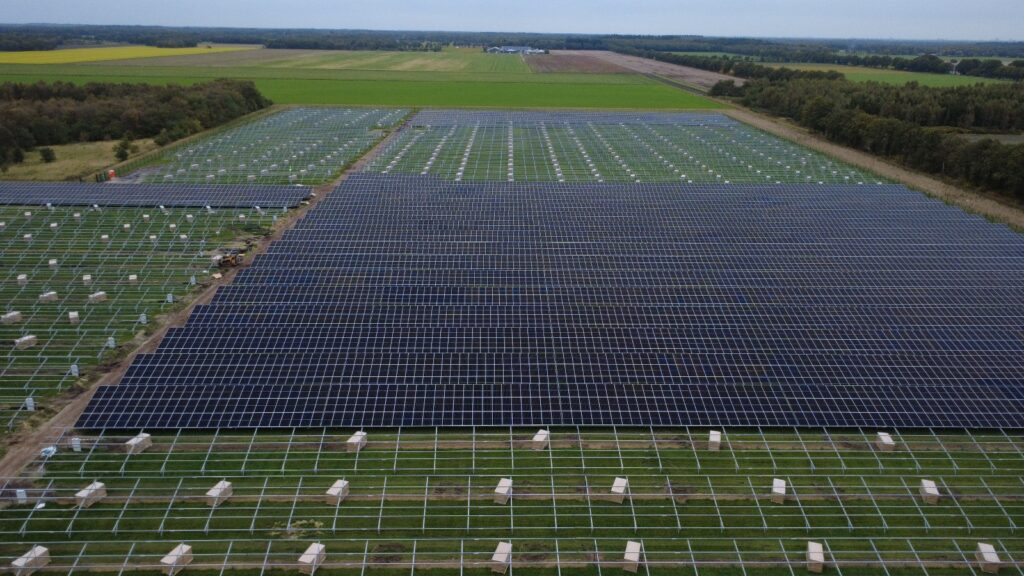
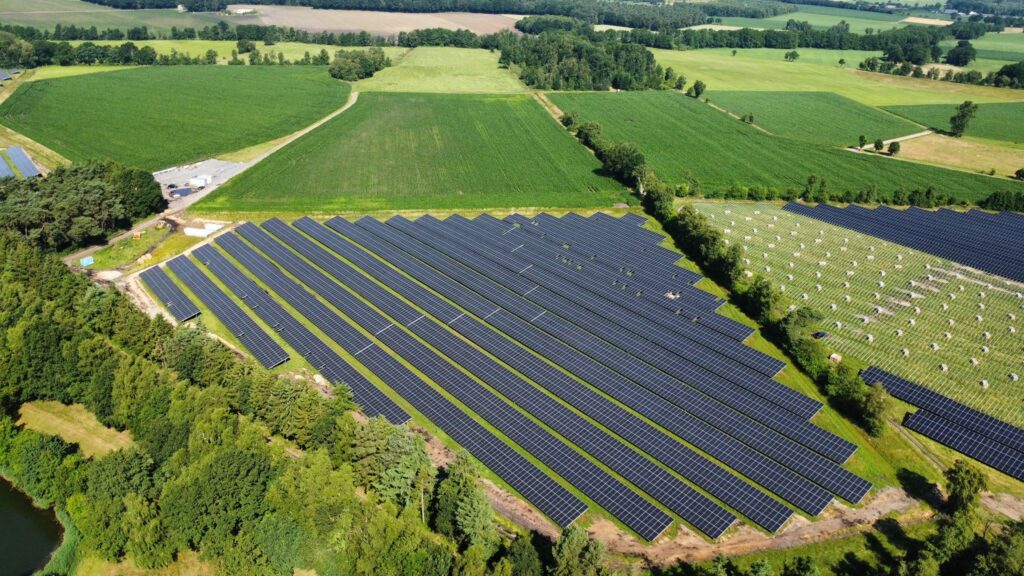
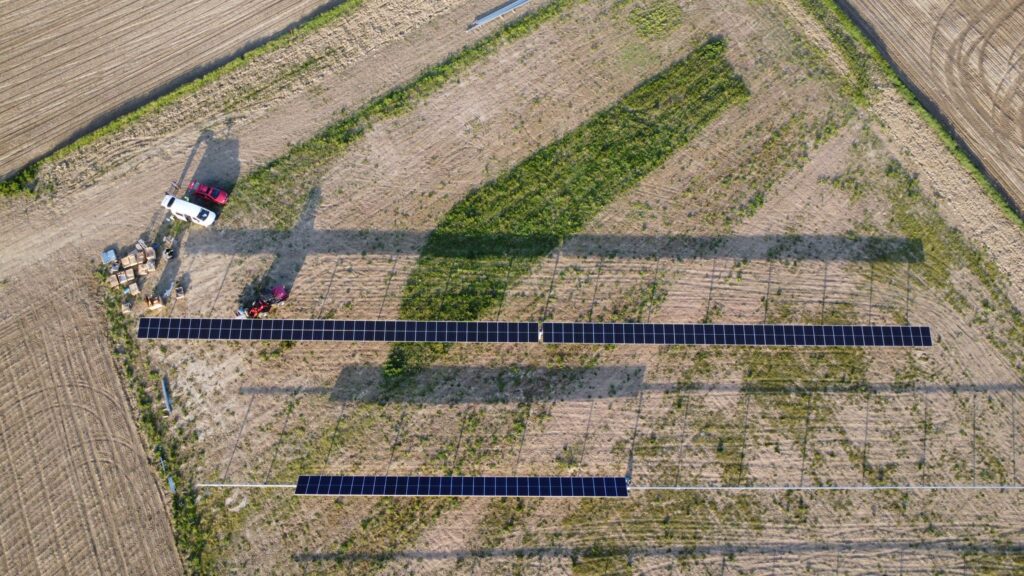
The 1 MW Agri PV Tracker Park, under construction, represents a significant milestone in dual-use solar infrastructure development. This agricultural photovoltaic installation combines single-axis tracking technology with continued agricultural land use, demonstrating how renewable energy generation and food production can coexist effectively. The project showcases precision engineering standards required for tracker-based systems on active farmland, addressing growing investor interest in agrivoltaic solutions across European markets.
| Field | Details |
|---|---|
| Project Name | 1 MW Agri PV Tracker Park |
| Location | Germany |
| Project Type | Agricultural Photovoltaic with Single-Axis Trackers |
| Capacity | 1 MW |
| Foundation Type | Elevated Driven Piles |
| Grid Connection | Medium Voltage |
| Execution Model | Full-Service Construction |
Project Overview: 1 MW Agri PV Development
The 1 MW Agri PV Tracker Park under construction addresses the dual challenge of maximizing renewable energy output while preserving agricultural productivity. Located on active farmland, this installation requires elevated mounting structures that allow farming equipment to operate beneath the solar arrays. The tracker technology increases energy yield by 15-25% compared to fixed-tilt systems by following the sun’s path throughout the day.
This project type responds directly to European regulatory frameworks that increasingly favour agrivoltaic installations. For energy developers evaluating utility-scale solar construction opportunities, agricultural PV projects offer reduced land-use conflicts and often faster permitting timelines. The 1 MW capacity provides a replicable model that investors can scale across multiple sites.
Technical Implementation at the 1 MW Tracker Installation
The technical requirements for the 1 MW Agri PV Tracker Park differ substantially from conventional ground-mount installations. Elevated pile foundations must accommodate agricultural clearance heights of 4-5 meters while maintaining structural integrity for tracker movement. Foundation engineering accounts for dynamic wind loads that affect tracking systems differently than fixed arrays.
Single-axis tracker installation demands precise north-south row alignment and motor calibration. Each tracker row operates independently, requiring distributed control systems and communication infrastructure. The installation team coordinates module mounting with tracker commissioning to ensure proper torque tube loading and rotation limits.
Cabling infrastructure for this agri PV project runs underground between tracker rows to avoid interference with farming operations. Combiner boxes and string inverters mount at row ends, minimizing equipment footprint on cultivable land. The medium voltage connection point positions at the field perimeter for efficient grid integration.
Project Execution for Agri PV Construction
Construction sequencing for the 1 MW Agri PV Tracker Park coordinates closely with agricultural cycles. Foundation installation occurs during fallow periods to minimize soil compaction in growing areas. Pile driving specifications account for varied soil conditions typical of agricultural land, with depth adjustments based on geotechnical survey results.
KXS Energy solar construction services deliver the precision engineering required for tracker-based agrivoltaic systems. The construction phases progress from site preparation through foundation installation, tracker assembly, module mounting, electrical installation, and commissioning. Each phase requires specialized equipment and certified installation teams familiar with tracker system requirements.
Quality assurance protocols verify tracker alignment, rotation range, and motor function before energization. Commissioning includes backtracking algorithm configuration that prevents row-to-row shading during low sun angles – a critical optimization for energy yield.
Project Impact of the 1 MW Agri PV Tracker Park
The 1 MW Agri PV Tracker Park under construction contributes to regional renewable capacity while maintaining agricultural land productivity. Annual energy generation estimates exceed 1,200 MWh based on tracker performance modelling, sufficient to power approximately 350 households. The elevated design preserves soil moisture levels and creates partial shading that benefits certain crop types during peak summer temperatures.
For utility companies and grid operators, distributed agrivoltaic installations like this 1 MW project provide generation capacity closer to demand centres. The medium voltage connection supports local grid stability without requiring extensive transmission infrastructure investment.
Industry Insights from 1 MW Agri PV Tracker Park, Under Construction
Energy developers and renewable energy investors can extract several key lessons from this agri PV tracker project. First, dual-use installations command premium power purchase agreement rates in markets with agricultural land protection policies. Second, tracker technology in agrivoltaic applications requires higher upfront investment but delivers superior returns through increased energy yield and favourable regulatory treatment.
The 1 MW scale serves as an effective pilot capacity for developers evaluating larger agrivoltaic portfolios. Construction experience at this scale validates installation methodologies and identifies site-specific challenges before committing to multi-megawatt expansions. Government energy authorities increasingly reference successful agri PV projects when developing support schemes for agricultural renewable integration.
Frequently Asked Questions
What makes the 1 MW Agri PV Tracker Park different from standard solar installations?
How does tracker technology improve energy yield at the 1 MW installation?
What foundation type supports the Agri PV Tracker Park construction?
What capacity range is typical for agrivoltaic pilot projects in Germany?
The 1 MW Agri PV Tracker Park under construction demonstrates the technical and commercial viability of dual-use solar infrastructure. For developers, investors, and utility companies evaluating agrivoltaic opportunities, this project provides a reference model for tracker-based agricultural integration. The construction approach, from elevated foundations through tracker commissioning, establishes methodologies applicable to scaled deployments across suitable agricultural sites throughout Germany and broader European markets.