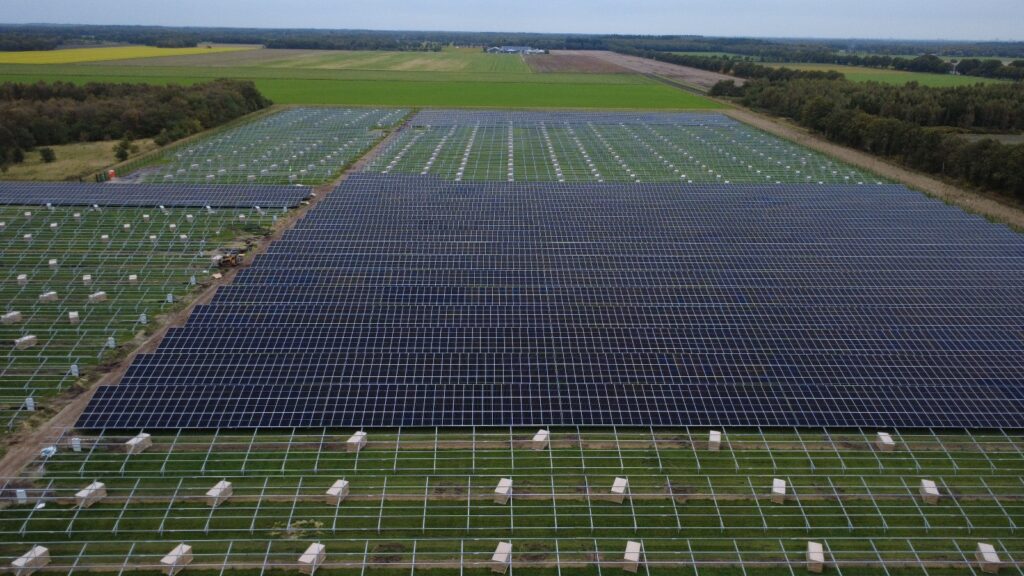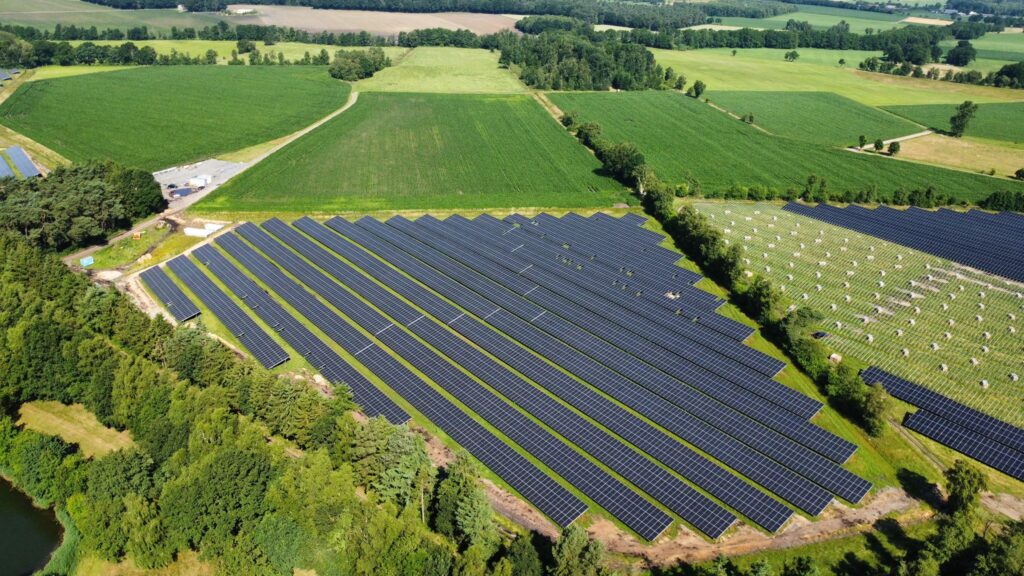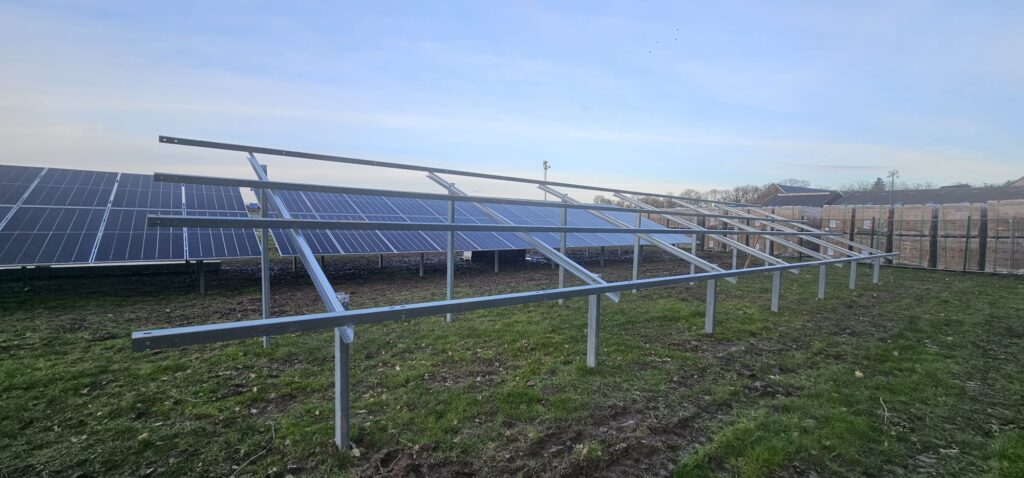
Germany Köln 80 MW Solar Project: Ongoing Construction
The Germany Köln 80W Ongoing project represents a significant milestone in the Rhineland region’s transition to renewable energy infrastructure. This utility-scale solar installation, currently under active construction near Köln, demonstrates the technical precision and project management capabilities required for large-scale photovoltaic development in densely populated European markets. As energy developers and investors increasingly focus on Germany’s expanding solar capacity, the Köln 80 MW development offers valuable insights into executing complex grid-connected installations within established industrial corridors.
| Project Detail | Specification |
|---|---|
| Project Name | Germany Köln 80W Ongoing |
| Location | Köln Metropolitan Region, North Rhine-Westphalia, Germany |
| Project Type | Utility-Scale Ground-Mount Solar |
| Capacity | 80 MW |
| Foundation Type | Driven Steel Piles |
| Grid Connection | High-Voltage Substation Integration |
| Execution Model | Full-Service Construction Partnership |
Project Overview: 80 MW Solar Development in the Köln Region
The Germany Köln 80W Ongoing installation is positioned within North Rhine-Westphalia, Germany’s most populous state and a critical hub for industrial energy consumption. This 80 MW utility-scale solar construction project addresses growing demand for locally generated renewable electricity in the Rhine-Ruhr metropolitan area.
Site selection for this Köln project prioritised proximity to existing high-voltage transmission infrastructure while minimising agricultural land conversion. The development leverages previously utilised industrial land, aligning with German federal guidelines for sustainable solar expansion. Once operational, this installation will supply clean electricity to approximately 24,000 households annually, contributing measurably to regional decarbonisation targets.
Technical Implementation at the Köln 80 MW Installation
Construction of the Germany Köln 80W Ongoing project required detailed geotechnical assessment due to the region’s variable soil conditions. Engineering teams conducted comprehensive ground surveys to determine optimal foundation specifications, ultimately selecting driven steel pile systems that accommodate localised geological variations without requiring extensive ground remediation.
The module mounting system employs fixed-tilt racking engineered for Central European irradiance profiles. String inverter architecture was selected to provide granular monitoring capabilities and simplified maintenance access – considerations particularly relevant for installations in regions with variable weather patterns. All electrical systems meet German VDE standards and European CE certification requirements.
Cable routing and trenching operations followed precise specifications to ensure long-term system reliability. Medium-voltage collection networks connect module arrays to the central substation, where step-up transformers prepare electricity for grid injection at transmission-level voltages.
Project Execution: Coordinating Construction Phases
The Germany Köln 80W Ongoing development follows a structured construction methodology that coordinates multiple work streams simultaneously. Initial site preparation included vegetation management, access road construction, and establishment of temporary facilities for equipment staging and personnel.
Foundation installation proceeded systematically across the project footprint, with pile-driving crews working in coordinated sequences to maximise equipment utilisation. Mechanical installation teams followed closely behind, mounting racking structures and photovoltaic modules according to engineered layout plans. This phased approach reduces overall construction duration while maintaining quality control at each stage.
KXS Energy solar construction services bring precision engineering standards to every project phase, from initial site assessment through final grid connection and commissioning. The Köln project exemplifies this comprehensive approach, with integrated teams managing civil works, electrical installation, and grid interface requirements under unified project coordination.
Project Impact: Renewable Infrastructure Contribution
Upon completion, the Germany Köln 80W Ongoing installation will generate approximately 76,000 MWh of clean electricity annually, displacing an estimated 30,000 tonnes of carbon dioxide emissions compared to conventional generation sources. This output supports North Rhine-Westphalia’s renewable energy targets and contributes to Germany’s broader Energiewende objectives.
The project also demonstrates the viability of large-scale solar development in urbanised regions where land availability presents challenges. By utilising suitable sites within established industrial zones, developments like the Köln 80 MW project expand the addressable market for utility-scale photovoltaics beyond traditional agricultural locations.
Industry Insights from Germany Köln 80W Ongoing
For energy developers evaluating German market opportunities, the Köln project illustrates several key considerations. Grid connection planning requires early engagement with transmission system operators, as interconnection timelines significantly influence overall project schedules. The Germany Köln 80W Ongoing development benefited from proximity to existing substation infrastructure, reducing both connection costs and permitting complexity.
Investors should note that projects in densely populated regions like Köln often command favourable power purchase terms due to reduced transmission losses and proximity to load centres. However, these advantages must be weighed against potentially higher land costs and more complex stakeholder engagement requirements.
The construction methodology employed at this 80 MW installation demonstrates how systematic project execution minimises schedule risk while maintaining German engineering quality standards throughout all phases.
Frequently Asked Questions
What is the total capacity of the Köln solar project?
When will the 80 MW Köln installation reach commercial operation?
What foundation system is used at the Köln project site?
How much electricity will the 80 MW solar installation generate annually?
The Germany Köln 80W Ongoing project exemplifies the technical rigour and systematic execution required for successful utility-scale solar development in competitive European markets. As construction progresses toward completion, this 80 MW installation will serve as a reference for developers and investors seeking to understand best practices in German solar construction – from site assessment and foundation engineering through grid integration and commissioning.