How does KXS Energy manage 160+ MW projects? 5 Critical Methods
How does KXS Energy manage 160+ MW projects? The answer lies in a systematic integration of phased execution frameworks, centralized coordination platforms, and specialized technical teams working across multiple construction fronts simultaneously. Managing utility-scale solar installations at the 160+ MW threshold requires capabilities that fundamentally differ from smaller deployments. At this scale, projects span thousands of hectares, involve hundreds of subcontractors, and demand coordination across multiple grid connection points. KXS Energy approaches these mega-projects through a methodology refined across 6 GW of global construction experience, combining German engineering precision with scalable operational systems designed specifically for continental-scale power infrastructure development.
Understanding the 160+ MW Project Management Challenge
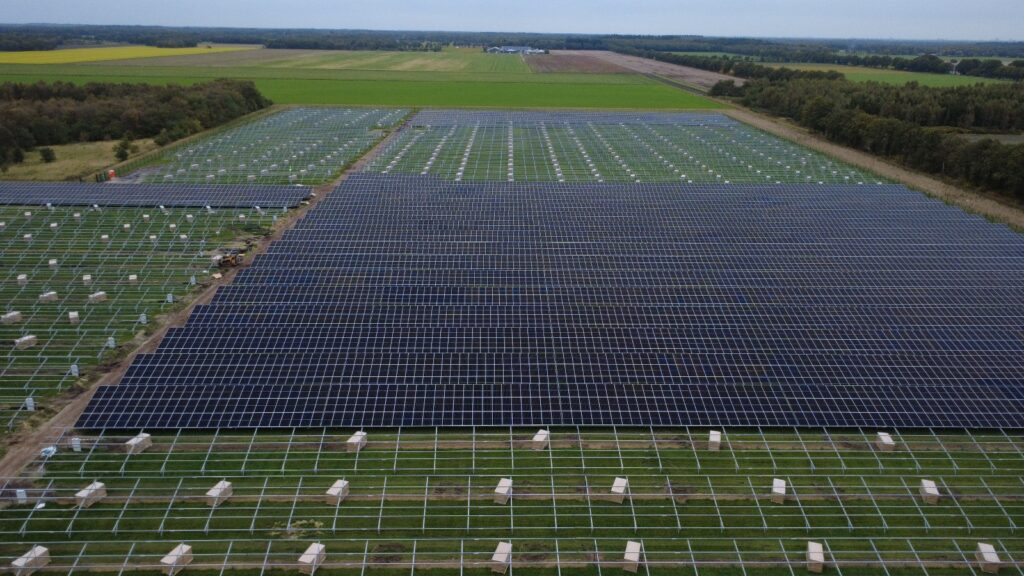
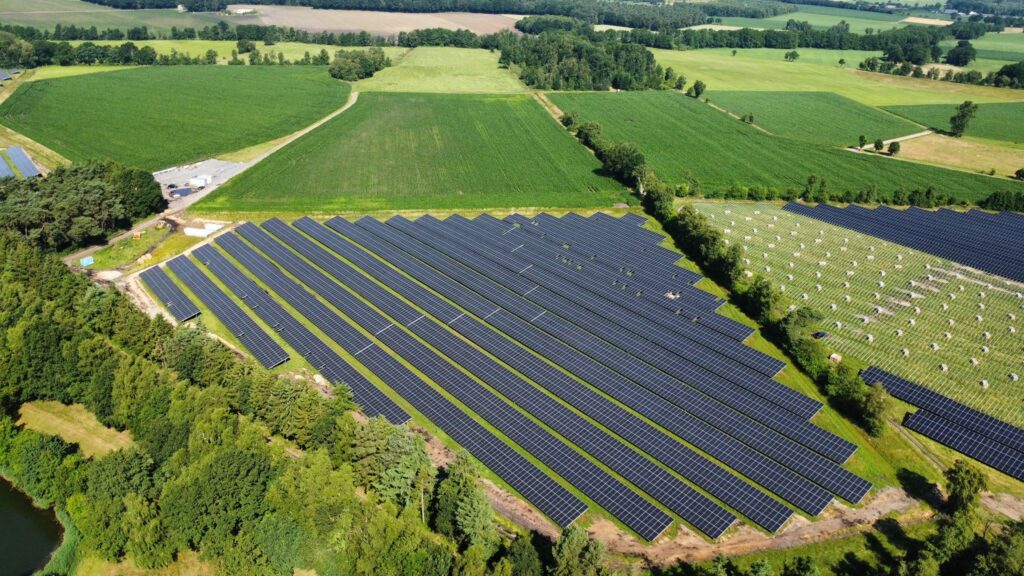
Utility-scale solar projects exceeding 160 MW present unique operational complexities that require specialized management approaches. A typical 160 MW installation covers approximately 1,000 hectares and involves the precise placement of over 1 million solar modules. The coordination demands multiply when considering that construction must proceed across multiple work zones while maintaining quality standards and meeting grid connection deadlines.
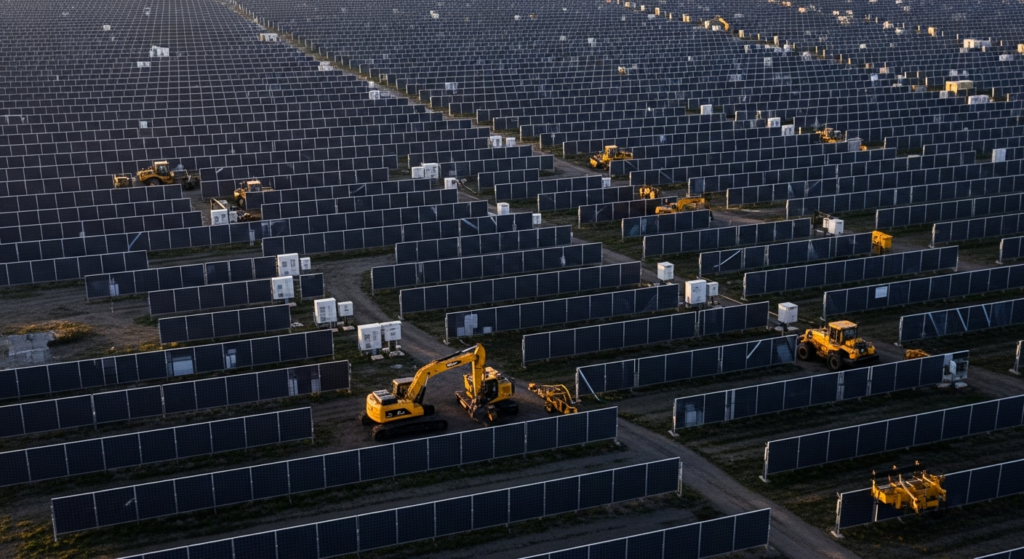
Projects at this scale typically require 18-36 months of active construction, with peak workforce numbers reaching 800-1,200 personnel simultaneously. Managing how KXS Energy approaches 160+ MW projects involves addressing five interconnected challenges: logistics coordination across vast sites, quality assurance at scale, workforce management across multiple shifts and zones, equipment procurement timing, and regulatory compliance across potentially multiple jurisdictions.
The financial stakes compound these technical challenges. A 160 MW project represents capital deployment exceeding 300 million euros, where construction delays translate directly into lost revenue during the operational phase. This economic pressure demands management systems that identify and resolve issues before they cascade into timeline disruptions.
How KXS Energy Manages 160+ MW Projects Through Phased Execution
The foundation of managing projects at this scale involves breaking the overall scope into discrete, manageable phases that can proceed in parallel while maintaining interdependency awareness. KXS Energy structures 160+ MW projects into four primary phases, each with dedicated leadership and resources:
- Site Preparation Phase: Surveying, ground leveling, access road construction, and drainage systems across the full project footprint
- Foundation and Mounting Phase: Pile driving, tracker or fixed-mount installation proceeding in sequential zones
- Electrical Infrastructure Phase: Module installation, string wiring, combiner boxes, inverter stations, and medium-voltage cabling
- Grid Integration Phase: Substation completion, high-voltage connections, and commissioning sequences
Each phase operates with a dedicated project manager who reports to a central program director. This structure allows multiple zones to progress through different phases simultaneously while preventing resource conflicts and maintaining clear accountability.
Technology Systems Enabling Large-Scale Coordination
Digital infrastructure forms the backbone of how KXS Energy manages 160+ MW projects effectively. Three technology platforms work in integration to provide real-time visibility and control across all construction activities:
Building Information Modeling (BIM) creates a digital twin of the entire project, allowing teams to identify spatial conflicts and optimize installation sequences before physical work begins. This modeling proves particularly valuable for complex cable routing and equipment placement decisions.
Construction Management Platforms track daily progress against planned milestones, automatically flagging deviations that require intervention. These systems integrate weather forecasting, equipment availability, and workforce scheduling to optimize each construction day.
Quality Documentation Systems capture inspection results, material certifications, and installation verification at each construction stage. This documentation supports both internal quality control and external certification requirements for financing and grid connection approvals.
Workforce Organization for Projects Exceeding 160 MW
Managing workforce deployment at mega-project scale requires organizational structures that maintain quality while enabling rapid scaling. The approach to managing 160+ MW projects includes a hierarchical team structure with clear spans of control:
| Management Level | Scope of Responsibility | Typical Team Size | Reporting Frequency |
|---|---|---|---|
| Program Director | Full project oversight | 8-12 direct reports | Weekly executive review |
| Phase Manager | Single construction phase | 4-6 zone supervisors | Daily progress review |
| Zone Supervisor | 50-100 hectare section | 40-80 technicians | Shift-based reporting |
| Team Lead | Specific task execution | 8-12 workers | Hourly task completion |
This structure ensures that no supervisor manages more personnel than they can effectively oversee while maintaining clear escalation paths for issues requiring rapid resolution. Training programs standardize installation procedures across all teams, ensuring consistent quality regardless of which crew completes specific work packages.
Supply Chain Strategies for Managing 160+ MW Project Logistics
Material logistics for a 160 MW project involve coordinating deliveries of approximately 50,000 tonnes of equipment and materials over the construction period. How KXS Energy manages 160+ MW projects from a supply chain perspective involves three key strategies:
Strategic Warehousing: Regional distribution centers pre-position materials to buffer against transportation disruptions. For European projects, these facilities typically locate within 200 kilometers of the construction site.
Just-in-Time Sequencing: Delivery schedules align with installation sequences so that materials arrive at specific zones precisely when needed, minimizing on-site storage requirements and reducing handling damage.
Multi-Vendor Qualification: Critical components source from multiple qualified suppliers, preventing single-point supply chain failures from halting construction progress. This redundancy proves essential for modules, inverters, and mounting hardware.
Our utility-scale solar construction guide provides additional detail on procurement timing and vendor management strategies that support these logistics frameworks.
Quality Assurance Protocols at Mega-Project Scale
Maintaining consistent quality across a 160+ MW installation requires systematic inspection and verification processes that scale with project size. Quality assurance for projects at this scale involves three tiers of verification:
Installation-Level Checks: Crew leaders verify each installation step against standard procedures, documenting completion through mobile applications that timestamp and geolocate each verification.
Zone-Level Inspections: Independent quality teams conduct sampling-based inspections across completed sections, using statistical methods to ensure quality standards apply consistently across all work areas.
Third-Party Certification: External engineering firms conduct milestone inspections that verify compliance with design specifications, building codes, and grid connection requirements. These certifications support financing draw requests and regulatory approvals.
The methodology for managing 160+ MW projects includes automated quality metrics that track inspection pass rates, rework percentages, and defect patterns across all construction zones. This data enables rapid identification of systematic issues before they propagate across the installation.
Frequently Asked Questions About How does KXS Energy manage 160+ MW projects?
How does KXS Energy manage 160+ MW projects differently from smaller installations?
What timeline is typical for managing 160+ MW solar construction projects?
How does managing large-scale projects address equipment procurement risks?
What quality standards apply to 160+ MW project construction?
Energy developers and investors evaluating construction partners for large-scale projects should assess management capabilities specifically designed for 160+ MW complexity. The methodologies employed by experienced contractors like those at kxs-energy.com demonstrate that successful mega-project delivery requires purpose-built systems rather than scaled-up versions of smaller project approaches. When selecting a construction partner, verify their track record with comparable project sizes, examine their digital coordination infrastructure, and confirm their workforce management structures align with the coordination demands of continental-scale solar development.