Köln, Germany: 29 MW Utility-Scale Solar Project (2025) – Construction Status and EPC Execution
The Germany Köln 29 MW 2025 project marks a significant milestone for utility-scale solar infrastructure in North Rhine-Westphalia. As Germany accelerates its energy transition, projects of this scale play a vital role in expanding renewable generation while meeting strict engineering and environmental standards. This case study outlines the Light-EPC (Engineering, Procurement, Construction) journey, providing actionable insights for energy developers, investors, utility companies, and public-sector stakeholders seeking reliable, scalable solar solutions.
| Project Name | Germany Köln 29 MW 2025 |
|---|---|
| Location | Köln (Cologne), North Rhine-Westphalia, Germany |
| Project Type | Free-field utility-scale PV |
| Capacity | 29 MW (Megawatt) |
| EPC Scope | Turnkey Engineering, Procurement, Construction |
| Foundation Type | Driven pile foundations (steel posts) |
| Grid Connection | 110 kV substation, regional utility interconnection |
| Execution Model | Full-service EPC – KXS Energy |
Project Overview
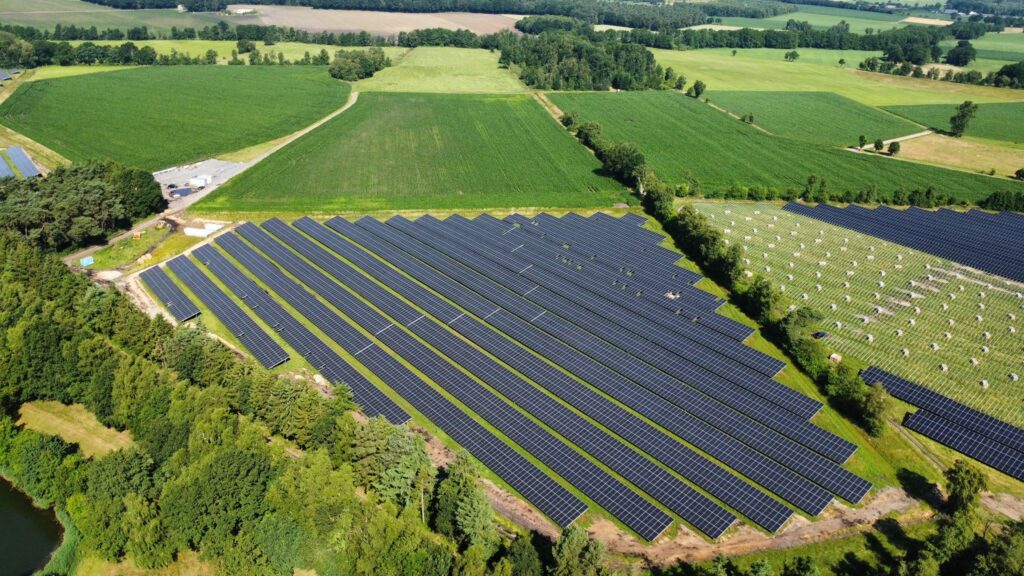
The Germany Köln 29 MW 2025 installation is a free-field photovoltaic (PV) plant strategically located on the outskirts of Cologne, taking advantage of non-arable land while aligning with municipal sustainability initiatives. As one of the largest solar projects in the region scheduled for grid connection in 2025, it demonstrates how utility-scale renewables can be integrated into densely populated urban peripheries. The project is designed to deliver consistent, high-yield solar power to the local grid, supporting Germany’s long-term Energiewende targets and providing a bankable reference for institutional investors.
Technical Implementation
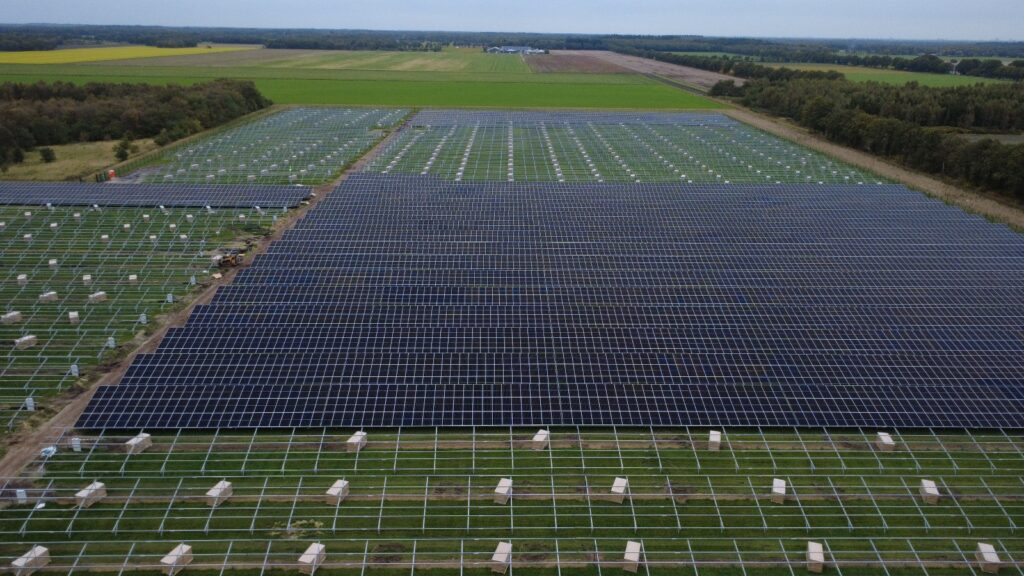
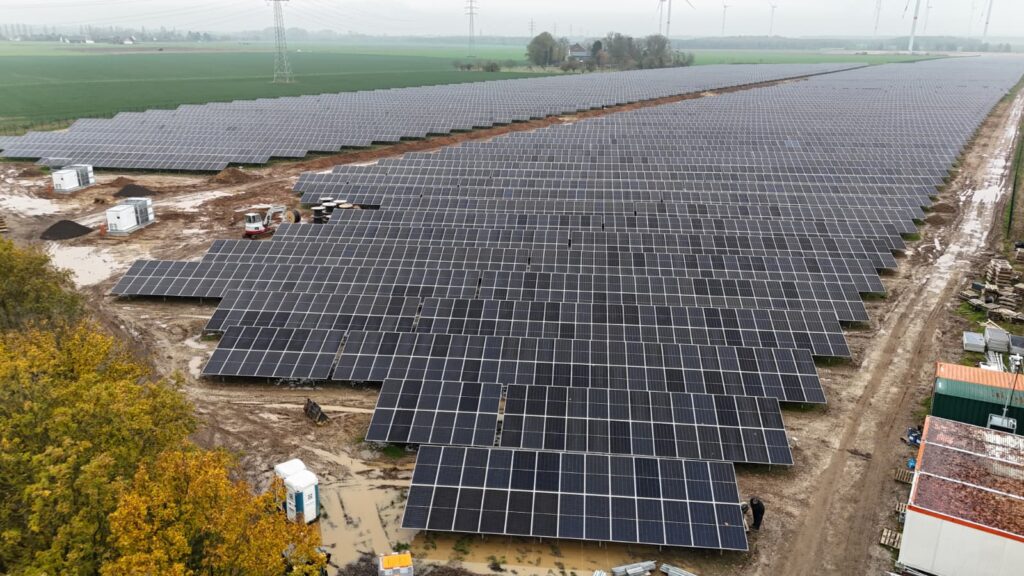
Extensive site assessment was completed to confirm soil stability for the pile-driven foundations required for high-capacity free-field PV. The groundworks team executed precise leveling and anti-erosion measures to secure the racking infrastructure. Mechanical mounting of steel posts ensured long-term resilience against wind and weather—central to achieving “Solar Construction Made in Germany” benchmarks. PV module arrays were installed with optimized east-west orientation, maximizing yields on the available project footprint while minimizing shading losses. High-efficiency transformers and DC/AC string inverters were integrated to facilitate robust grid export capabilities, and advanced monitoring systems enable predictive maintenance and yield optimization.
EPC Execution
KXS Energy managed the engineering, procurement, and construction process under full EPC delivery (see utility-scale solar EPC guide). Engineering activities included site-specific load and yield analysis, custom racking design, and module layout engineering. Procurement focused on sourcing Tier-1 PV panels and certified electrical equipment in compliance with German VDE regulations. Construction was executed through a unified project management platform, integrating subcontractor scheduling, safety compliance, and quality assurance. The grid connection was completed via a new 110 kV substation interface, coordinated with local utility partners and adhering to stringent interconnection protocols.
Project Impact
The Köln 29 MW solar power plant increases regional renewable generation capacity by reliably delivering solar electricity to the public grid. It offsets thousands of metric tons of CO2 annually and enhances local grid stability. The project showcases KXS Energy’s capability to execute high-capacity installations on tight schedules while maintaining engineering precision and strict compliance with German and EU standards. This success supports state and municipal decarbonization targets and provides a scalable reference model for future developments in similar environments.
Industry Insight
Projects like Germany Köln 29 MW 2025 reflect an industry-wide shift toward bankable, grid-ready, turnkey delivery. Key lessons include the value of upfront geotechnical study for reliable foundations, the importance of project-specific engineering to optimize footprint utilization, and the operational benefits of robust, real-time monitoring. For developers and investors, working with full-service partners such as KXS Energy reduces interface risk, ensures compliance, and improves project bankability. Solar developers aiming to scale with maximum reliability benefit from comprehensive support across all phases—as exemplified by KXS Energy’s track record in >500 MW projects and 6 GW global experience. Visit KXS Energy to learn more about project partnership opportunities.
What is the status of the Germany Köln 29 MW 2025 solar project?
What type of construction services does KXS Energy provide for utility-scale solar projects?
What engineering standards are followed in the Köln 29 MW solar installation?
How does the Köln 29 MW plant contribute to local renewable energy goals?
Conclusion
The Germany Köln 29 MW 2025 case demonstrates the technical and operational demands of modern utility-scale solar execution within the strict context of German engineering standards. By delivering bankable, high-capacity renewable power, projects like this serve as core infrastructure for the energy transition. KXS Energy’s ability to scale, coordinate, and deliver such projects positions it as a trusted solar partner for developers and stakeholders aiming to expand Europe’s clean energy footprint.